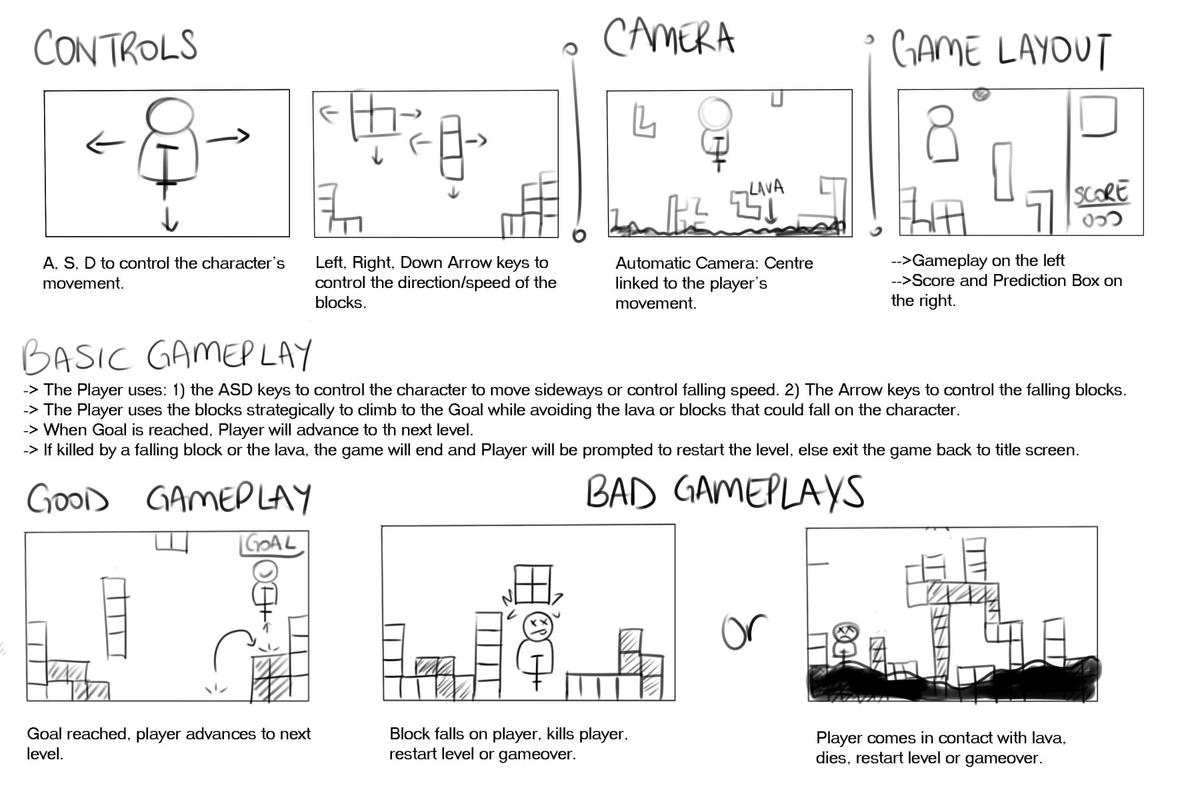
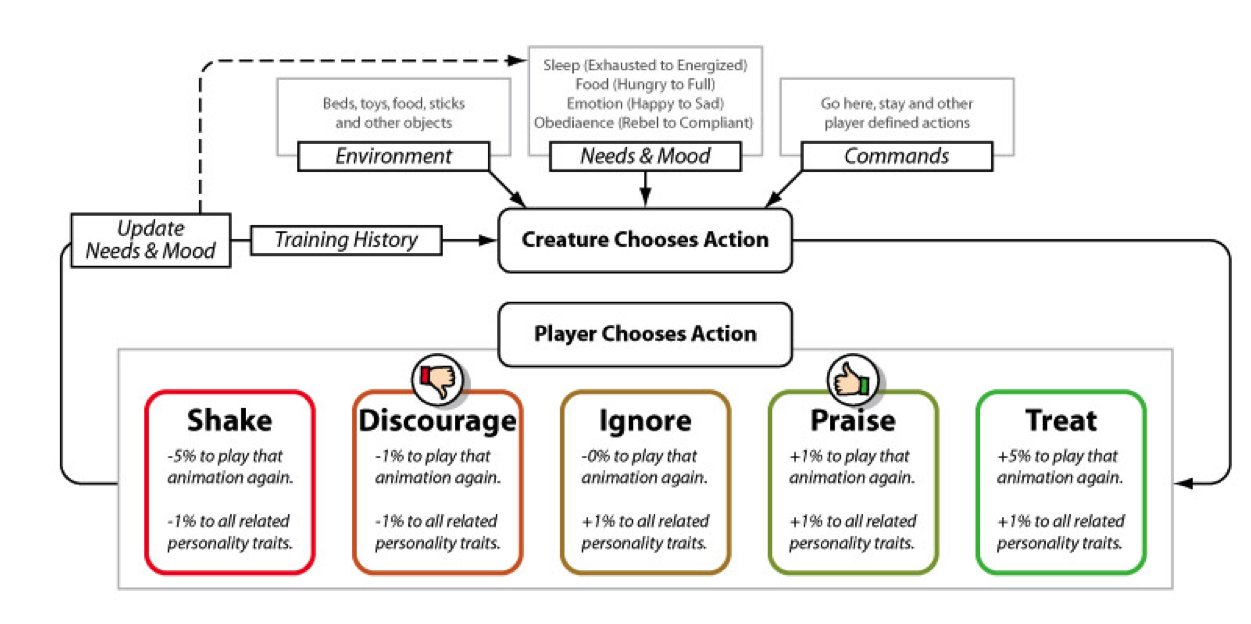
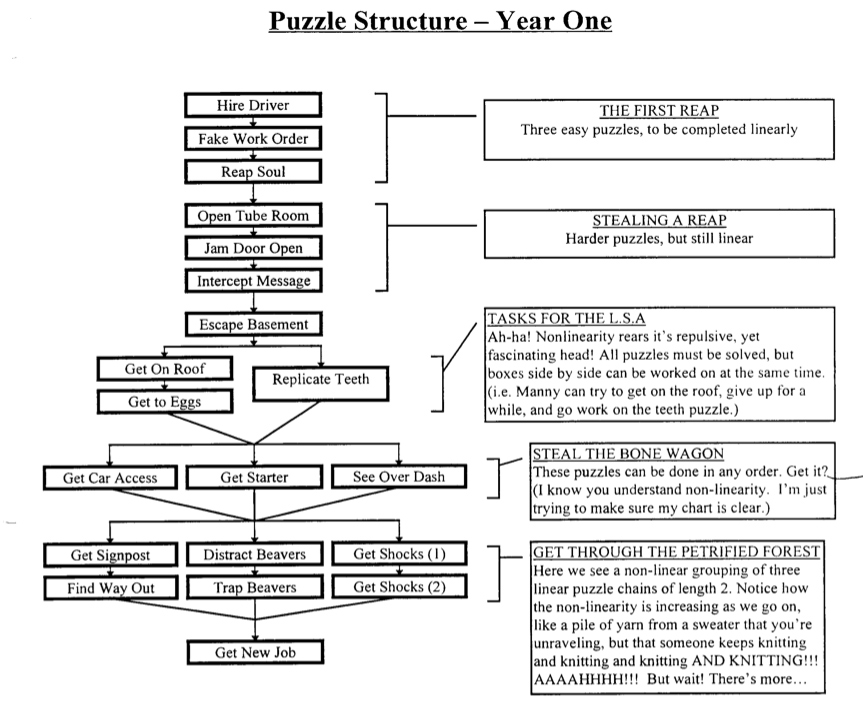
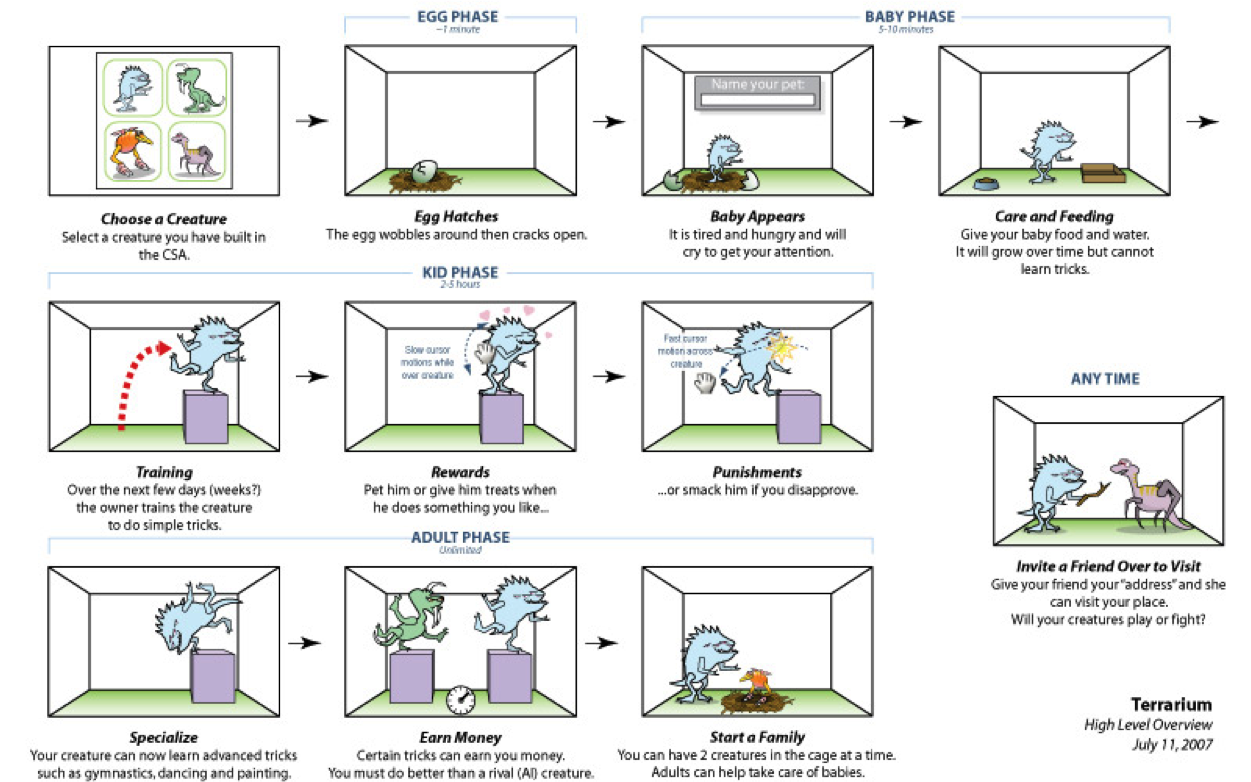
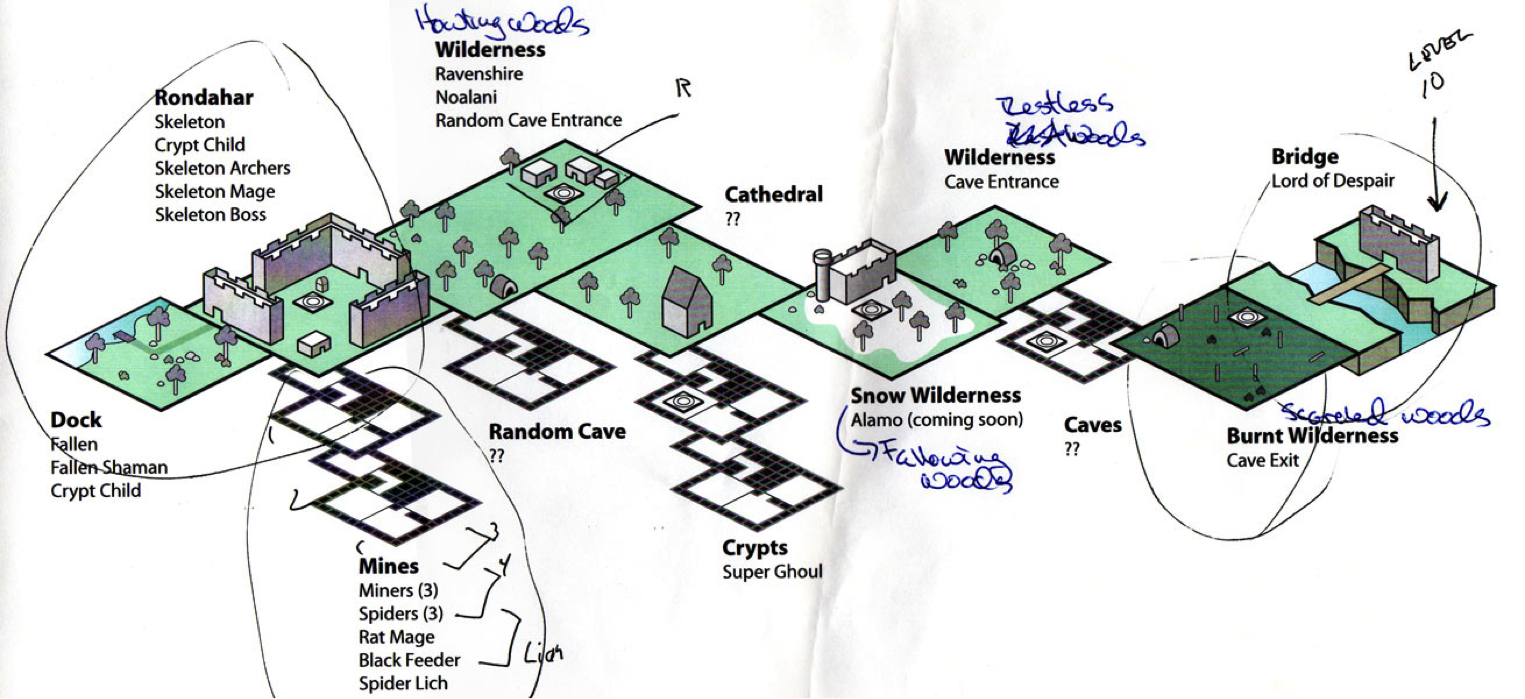
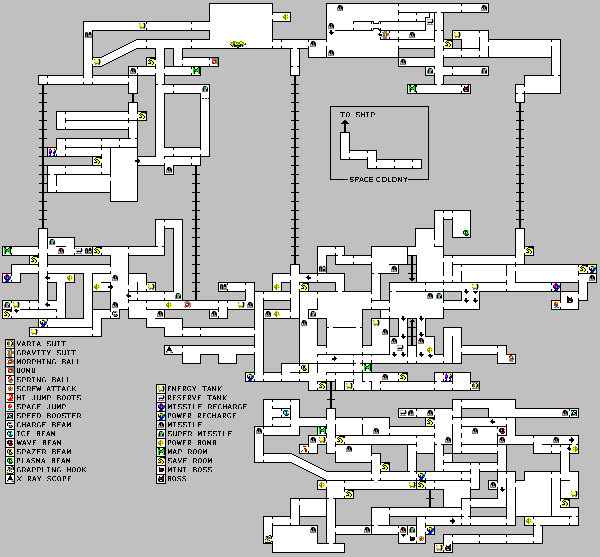
Meet with your team and figure out the specific format your document will take. We discussed a condensed document. Instead of each section being a page, feel free make each a paragraph. Required sections include: Overview, Gameplay, Game Elements (make lists), and defining your MVP. Use this as a guide:
Divide up your responsibilities and post these roles under a Game Document list in Trello. It's up to your team how you'd like to divide up the work, however, as you will be graded on your individual contributions, I encourage you divide up the document by section or visual design document. I'm leaving the following section as a reminder of visual design document options.
Explain your game visually. You should include text when appropriate, but do so minimally. You may use one of the following approaches. Please choose the one most appropriate for your game. Draw.io is a great tool for creating flow charts and diagrams, however, use whatever tool you are most comfortable with. I'd highly recommend choosing the hybrid example as one of your choices.
You must post your document on Trello to get credit for it. Individual contributors must clearly mark their contributions. You will be graded on the following:
This is an industry-oriented article on game design documents. There are a lot of good insights here.
A Game Design Document must teach everyone who reads it how the game that you’re talking about works. In order to do this, you need to explain not just the mechanics, but also how the game’s objects (characters, enemies, puzzles, weapons, environment, and so on) interact with each other, what your game is about, and how it looks.
All things said, you need to keep in mind that even if some general subsections are common between the GDDs, there is no static form to make this kind of document, and no such thing as a perfect formula. Every game designer has his own way to do this and you must discover yours.