The ADDIE Model
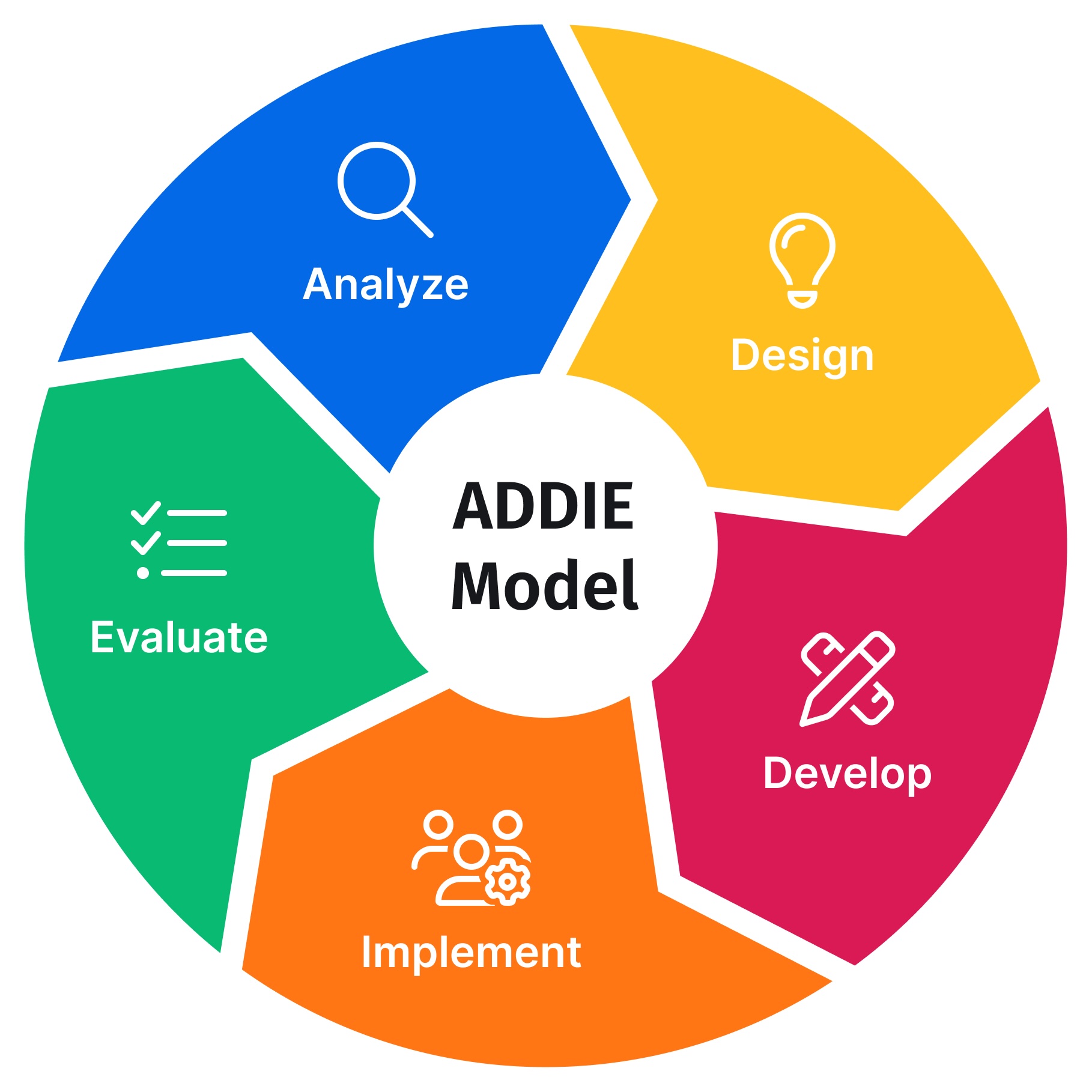
ADDIE stands for Analyze, Design, Develop, Implement, and Evaluate. It's a foundational instructional design model used to guide the development of structured and goal-driven learning experiences.
- Analyze: Define the problem, audience, and learning goals.
- Design: Plan content, assessments, and the learning experience layout.
- Develop: Create actual learning materials like videos, slides, or activities.
- Implement: Deliver or distribute the course to learners.
- Evaluate: Collect feedback and data to revise and improve the experience.
The SAM Model (Successive Approximation Model)
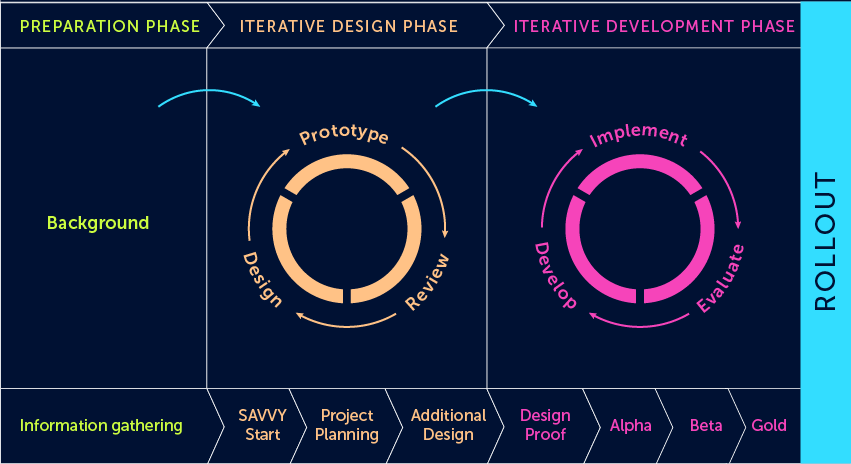
SAM is an agile, iterative approach to instructional design. Rather than following a linear path, SAM encourages quick drafts, feedback cycles, and continuous improvement. It's especially useful in fast-paced environments like corporate eLearning. SAM typically involves three phases: preparation, iterative design, and iterative development. These phases emphasize collaboration among stakeholders, rapid prototyping, and frequent testing to ensure the final product effectively meets learner needs. SAM's flexibility makes it ideal for projects that require adaptability and swift updates based on user feedback.
Backward Design
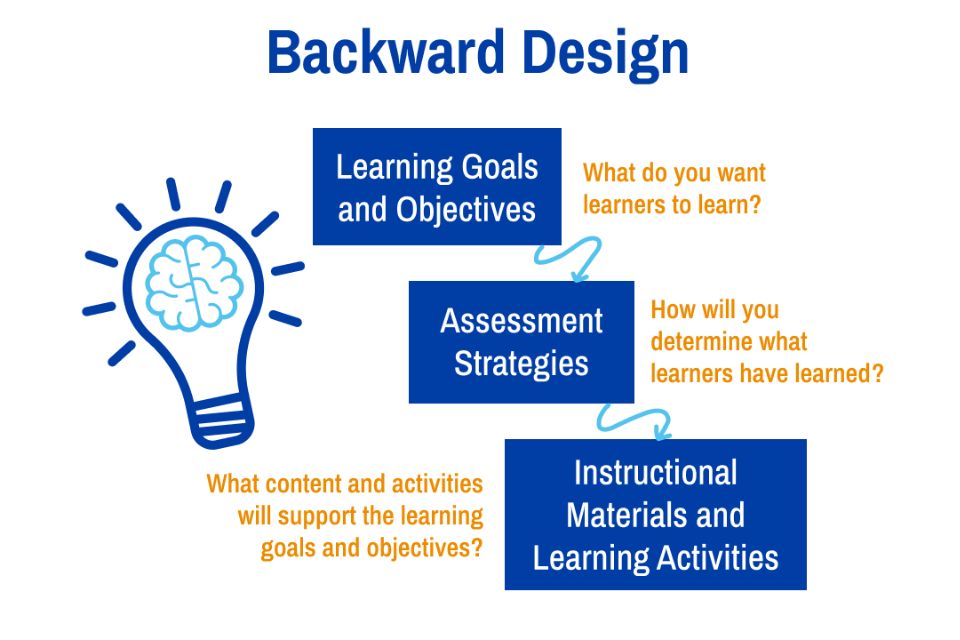
Backward Design reverses the conventional approach to lesson planning by starting with the end in mind. Educators first establish clear learning goals of what students should know or be able to do by the end of instruction. Next, they design assessments to measure those outcomes effectively. Only then do they create the instructional activities and materials that will guide students toward success. This method ensures that every part of the learning experience is purposefully aligned with the desired results.
This model is widely used by K-12 teachers, curriculum developers, and higher education faculty. It is especially popular in standards-based education where alignment between objectives, assessments, and instruction is essential for ensuring student achievement.
Choosing a Model
No single model fits every situation. ADDIE offers a comprehensive step-by-step process, SAM provides flexibility and speed, and Backward Design ensures learning remains aligned with outcomes.